Spread Kindness Embroidery Design Review
As a professional embroidery designer who has spent years translating digital files into tangible brand assets, I approach every new machine embroidery design with a critical eye. When evaluating a file for commercial use, I am not just looking at aesthetics; I am assessing how it will perform on a production floor, how it will hold up against washing, and whether it elevates the brand identity of a small business owner. The Spread Kindness embroidery design immediately caught my attention as a versatile asset for the upcoming Valentine S Day season and beyond. While the product description notes it is a wonderful way to add a stylish accent to home decor, outfits, and accessories, my review focuses strictly on its potential as a workhorse for branded merchandise, patches, and custom apparel.
First Impressions: Visual Personality and Brand Tone
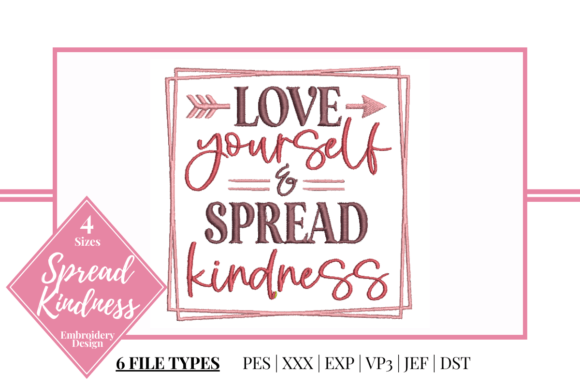
The first thing that strikes me about the Spread Kindness design is its inherent warmth. In the world of branding, especially for sectors like local cafés, boutique bakeries, florists, and handmade pet brands, the visual tone must communicate trust and approachability. This design feels friendly, modern, and slightly rustic, avoiding the overly corporate or stiff look that can alienate customers seeking a personal connection. It possesses a playful elegance that suggests a handmade product without sacrificing professionalism.
For an Etsy seller or a merch creator, this design acts as a powerful emotional hook. Unlike generic logos, Spread Kindness conveys a value system. When placed on a tote bag or a staff apron, it tells a story before a single word is spoken. The design's structure appears balanced, suggesting it will translate well across various mediums. However, as a designer, I always advise checking if the font weight and outline thickness are sufficient for high-contrast visibility. If the lettering is too thin, it may get lost on textured fabrics, but the overall composition suggests a robust foundation for commercial embroidery.
Performance in Real Business Applications
When moving from the screen to the sewing machine, the true test of any embroidery file begins. How does Spread Kindness perform when applied to actual business inventory? My assessment indicates it is highly adaptable for several key categories of small business merch.
Patches and Uniform Accents
One of the most effective uses for this design is as an embroidered patch. For businesses wanting to offer limited edition Valentine S Day gear or year-round goodwill items, creating a woven or embroidered patch allows for mass application. The design works exceptionally well as a chest logo accent on chef coats, barista shirts, or retail staff uniforms. Placing it on the left breast pocket area creates a focal point that humanizes the brand. Similarly, using it as a sleeve detail on denim jackets or flannel shirts adds a touch of personality to custom apparel without overwhelming the garment.
Apparel and Accessories
Beyond uniforms, the versatility of Spread Kindness shines in customer-facing products. As a tote bag design, it serves as a walking billboard for your values. Imagine a sturdy canvas bag featuring this motif in vibrant thread colors; it becomes a functional gift that encourages customer engagement. For cap embroidery, the design needs to be evaluated for size, but if scaled correctly, it offers a unique alternative to standard text-only hats. Additionally, applying this design to aprons—specifically apron embroidery on the bib or back yoke—adds a premium feel to kitchen wear or workshop attire, signaling that the business cares about both quality and kindness.
Product Packaging and Event Merch
In the realm of event merchandising or boutique packaging, this design can elevate a simple item into a keepsake. Whether it is a small tag attached to a handmade candle, a label on a jar of jam, or a direct embroidery on a gift box cover, Spread Kindness enhances the perceived value of the finished product. It transforms a transactional exchange into an emotional experience, which is crucial for building long-term customer loyalty.
Critical Considerations for Production
While the design holds great promise, there are specific scenarios where caution is required. As a designer, I must highlight areas where Spread Kindness might face challenges if not executed properly.
- Small Patch Sizes: If you intend to use this design for very small patches (under 2 inches), ensure the lettering remains legible. Tiny details can blur together, reducing the impact of the message.
- Curved Surfaces: On items like baseball caps or rounded bottle tops, the curvature can distort straight lines. Always create a printable mockup to visualize how the design wraps around the surface before committing to production.
- Fabric Texture: Textured fabrics like heavy wool, thick fleece, or loosely woven linen can interfere with stitch definition. The design may require a heavier stabilizer to prevent sinking or distortion.
- High Stitch Density: If the file includes dense fill areas, be mindful of fabric puckering, especially on lightweight materials like silk or thin cotton. Adjusting the stitch density settings on your machine may be necessary.
- Dark Uniforms: While the product description notes that colors can be altered based on the thread colors put in your machine, dark backgrounds require careful color selection. Ensure high contrast between the background and the thread to maintain readability.
Impact on Brand Identity and Trust
Using a design like Spread Kindness goes beyond decoration; it shapes how customers perceive your business. Consistency in design assets builds recognition. When a customer sees this motif on a cap, a tote, and a uniform, it reinforces a cohesive brand image. This visual consistency fosters trust and signals professionalism. In a crowded market, a thoughtful embroidery design differentiates your handmade product from mass-produced competitors. It suggests that the business pays attention to detail and values the human element of commerce.
Furthermore, the message itself drives buyer engagement. People want to support businesses that align with their values. By wearing or carrying an item with this design, customers become ambassadors for your brand. This organic marketing is invaluable for small business owners looking to expand their reach without increasing ad spend.
Practical Designer Notes for Implementation
Before you purchase or produce this digital embroidery file, follow these professional steps to ensure success:
- Test in Black and White: Run a test stitchout using a single color to check for registration issues and spacing problems before investing in multi-colored threads.
- Verify Hoop Size: Confirm the dimensions of the design fit within your available hoop sizes. If the design is large, consider splitting it into sections or scaling it down appropriately.
- Select the Right Stabilizer: Match the stabilizer to the fabric weight. A tear-away stabilizer works for stable fabrics, while a cut-away is better for stretchy knits used in t-shirts or caps.
- Check Thread Contrast: Since colors can be altered, experiment with thread palettes. Pastel threads on light fabrics may lack impact, so bold contrasts often yield the best results for branding.
- Create a Mockup: Generate a realistic printable mockup for client approval. This helps stakeholders visualize the final outcome and reduces the risk of costly mistakes.
- Confirm Licensing: Always verify the commercial licensing terms. Ensure you have the right to use Spread Kindness for unlimited merchandise sales, especially if you plan to sell the physical goods rather than just the file.
In conclusion, Spread Kindness is more than just a seasonal decoration; it is a strategic tool for brand building. With proper planning and execution, it can serve as a cornerstone for your Valentine S Day collection and a lasting symbol of your business ethos throughout the year. By treating this Embroidery design with the respect it deserves, you turn a simple stitch pattern into a powerful statement of identity.