Easter Egg Teapot Key Fob Design Review
As an experienced embroidery designer preparing for the upcoming weekend craft fair season, I spend hours evaluating new machine embroidery design assets to see which ones will translate into profitable handmade products. Today, I am reviewing a specific digital asset: the Easter Egg Teapot Key Fob. This is not just about looking at a pretty picture on a screen; it is about determining if this embroidery file will catch a customer's eye at a crowded booth, photograph well for an Etsy seller, and survive the rigors of batch production for a small shop product line.
First Impressions: A Festive and Whimsical Concept
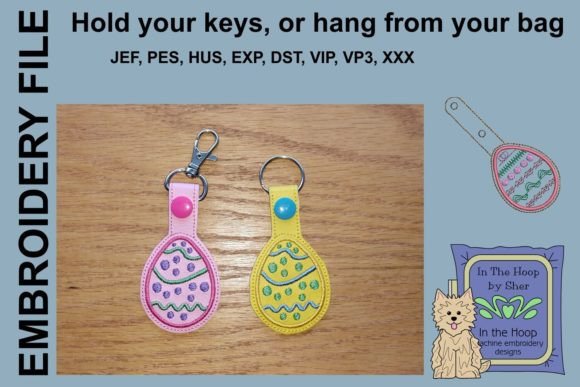
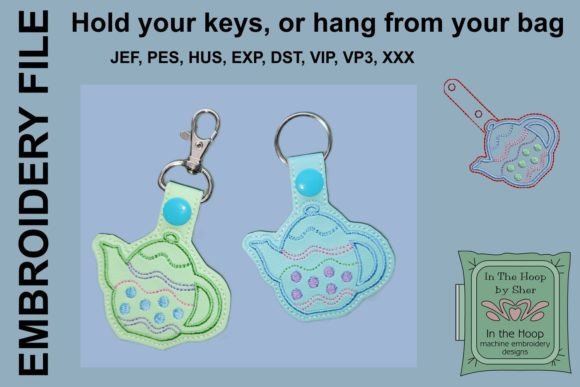
The concept behind the Easter Egg Teapot Key Fob immediately strikes me as charming and highly seasonal. The combination of a teapot and an Easter egg suggests a whimsical, perhaps slightly farmhouse or cottage-core aesthetic that performs exceptionally well during spring markets. It feels less like a generic holiday item and more like a curated decorative piece. For a craft fair display filled with standard bunnies and chicks, this design offers a unique focal point that stands out due to its novelty.
When visualizing this as a finished product, the imagery evokes a sense of warmth and domestic joy. It fits perfectly into the narrative of springtime tea parties and family gatherings. However, the success of this design hinges entirely on execution. Is the scale correct? Are the thread colors vibrant enough to pop against various fabric backgrounds? As a professional, my first instinct is to verify that the design maintains clarity when shrunk down to key fob dimensions, which is often a critical failure point for complex illustrations.
Product Versatility and Market Application
While the title specifies a key fob, a savvy handmade product creator knows that a versatile digital embroidery file can be adapted across multiple inventory categories. Let's evaluate where the Easter Egg Teapot Key Fob shines beyond its intended use.
- Embroidered Patches: This design is ideal for creating high-quality patches. Because the motif is contained and distinct, it works beautifully as a detachable appliqué that customers can sew onto denim jackets, tote bags, or hats. Patches are low-risk inventory items that allow buyers to customize their own gear.
- Tote Bag Design: Placing this motif on a canvas tote bag creates an instant conversation starter. The contrast between a sturdy canvas and delicate embroidery highlights the craftsmanship. It transforms a utilitarian item into a stylish accessory for carrying groceries or market finds.
- Tea Towel Embroidery: Given the teapot theme, this design is a natural fit for kitchen linens. A linen or cotton tea towel featuring the Easter Egg Teapot Key Fob motif would appeal to home decor enthusiasts looking for seasonal accents.
- Apron Embroidery: For the baker or hostess in your target audience, placing this design on the bib of an apron adds a touch of personality to their kitchen uniform. It serves as a subtle branding element for those who love to cook during the holidays.
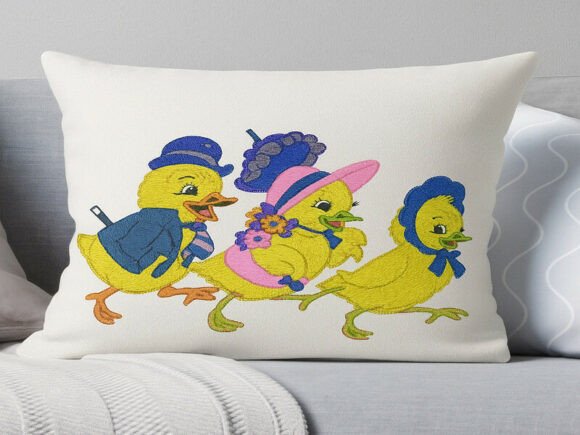
- Pillow Covers and Fabric Pouches: Smaller items like zippered pouches for sewing kits or decorative pillow covers benefit from this compact design. It acts as a perfect accent without overwhelming the surface area.
For the Etsy seller or boutique maker, the ability to pivot this single design across different product types maximizes the return on investment for the commercial embroidery license. It allows for a cohesive collection that tells a story rather than selling disjointed items.
Production Realities: Stitch Density and Detail
Before committing to a full production run, I must address the technical aspects of the Easter Egg Teapot Key Fob file. One of the biggest challenges with intricate designs like teapots and patterned eggs is stitch density. If the file packs too many stitches into a small area, the result can be stiff, prone to puckering, or difficult to pull through thick fabrics.
I strongly advise testing this design on scrap fabric first. Check for any tiny details that might get lost or become muddy when embroidered. Small lettering, if present, should be scrutinized; often, text smaller than 0.5 inches becomes illegible after stitching. Additionally, consider the hoop size. If the design requires a large hoop but you intend to use it for small key fobs, you may need to resize it carefully, ensuring that the software does not distort the proportions of the teapot or the egg.
Fabric choice is equally critical. While smooth cottons work wonders, textured towels or thick denim can alter the appearance of the design. On a curved cap surface, the teapot handle might distort if the stabilizer isn't sufficient. Always use the right stabilizer—likely a tear-away or cut-away depending on the fabric weight—to ensure the design lays flat and crisp. Dark fabrics will require more bobbin thread management to prevent show-through, so test runs on black or navy materials are essential before listing them as options.
Visual Appeal and Customer Engagement
In the context of a physical craft fair booth, the Easter Egg Teapot Key Fob has significant potential to drive buyer engagement. When displayed correctly, perhaps hanging from a wooden rack or pinned to a sample board, the three-dimensional texture of the embroidery catches the light differently than printed goods. This tactile quality is a major selling point for handmade product buyers who value authenticity.
Photography for online listings is another area where this design excels. The whimsical nature of the subject matter makes it highly "Instagrammable." A well-lit photo showing the stitch detail, the sheen of the satin fill on the egg, and the outline of the teapot can significantly increase click-through rates. Creating a printable mockup for your website that shows the design on various items helps customers visualize the final purchase, reducing hesitation.
However, brand consistency is key. If your booth usually features rustic, earthy tones, ensure the thread colors in this design align with your overall aesthetic. You may need to adjust the color palette within the software to match your brand identity. A mismatched color scheme can confuse customers and dilute your brand message.
Final Designer Notes and Recommendations
To summarize, the Easter Egg Teapot Key Fob is a promising asset for spring collections, provided it is handled with care. Here are my final recommendations for turning this design assets into a successful revenue stream:
- Verify Licensing: Confirm your commercial embroidery rights. Ensure you are allowed to sell finished goods and understand any limitations on volume or platforms.
- Test Rigorously: Run a test on the exact fabric and stabilizer you plan to use. Check for skipped stitches, tension issues, or density problems.
- Optimize Sizing: Do not assume the default size is best. Experiment with scaling to find the sweet spot where details remain clear but the design remains impactful.
- Create Mockups: Invest time in creating realistic photos or digital mockups for your Etsy listings to showcase the design on multiple products.
- Batch Production: Once tested, produce in batches to maintain consistency in thread tension and placement, ensuring every craft fair product meets your quality standards.
This design has the charm to stop a shopper in their tracks, but it is the precision of your execution that will turn that interest into a sale. By respecting the technical requirements of machine embroidery and leveraging the versatility of the motif, you can create a standout addition to your spring inventory. Whether sold as a standalone key fob, a patch, or part of a larger kitchen set, the Easter Egg Teapot Key Fob offers a delightful opportunity to connect with customers who appreciate the artistry of handmade goods.