Seam Ripper Embroidery Design Review for Craft Fair Sellers
As an experienced embroidery designer preparing my booth for the upcoming weekend craft fair, I am constantly evaluating which digital assets will translate into tangible sales. The market is flooded with generic floral patterns and trendy typography, but there is a distinct niche for clever, thematic designs that resonate with our core demographic: other makers, sewers, and creative entrepreneurs. Today, I am putting the Seam Ripper machine embroidery design under the microscope to see if it has what it takes to become a bestseller on my table.
First Impressions: A Nod to the Maker Community
When I first loaded the Seam Ripper file into my software, the aesthetic immediately struck me as both functional and whimsical. It does not scream "farmhouse chic" in the traditional sense, nor is it overly minimal or strictly elegant. Instead, it occupies a sweet spot of being modern, slightly humorous, and deeply relatable to anyone who has ever spent hours at a sewing machine. For a craft fair product, this emotional connection is vital. When a customer sees a tote bag or apron featuring a seam ripper, they are not just buying a decoration; they are buying a badge of honor that says, "I make things, and I know how to fix them."
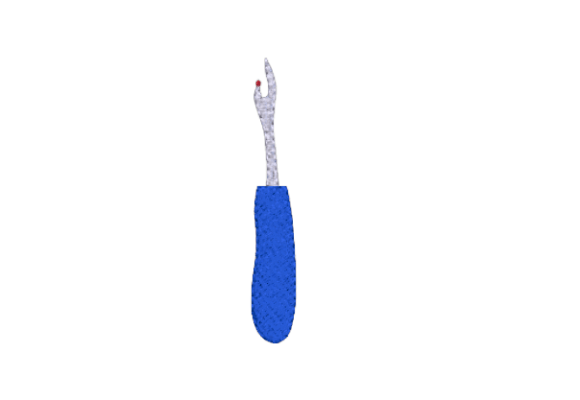
The design feels bold enough to stand out on a crowded table yet simple enough to remain legible from a distance. In the chaotic environment of a handmade market, where visual noise is high, clarity wins. The Seam Ripper design offers a clear silhouette that catches the eye without requiring the buyer to squint. This instant recognition is a massive advantage for impulse buys.
Product Applications: Where Does It Shine?
One of the greatest strengths of this specific embroidery design is its versatility. I have been testing various applications to determine which items will drive the most revenue. Here is how the Seam Ripper performs across different product categories:
- Tote Bags: A canvas tote bag embroidered with a large-scale Seam Ripper design is a powerhouse item. It serves as a practical carry-all for fabric scraps and tools while acting as a walking billboard for your brand. The flat surface of a tote allows the stitch definition to shine, making it a top contender for my booth display.
- Kitchen Towels and Tea Towel Embroidery: While kitchen linens often feature food motifs, a Seam Ripper adds a playful twist to the home decor category. It suggests a maker who enjoys both cooking and crafting. However, one must be careful with the texture of terry cloth, as discussed below.
- Apron Embroidery: This is perhaps the most logical application. An apron with a Seam Ripper stitched near the pocket is a perfect gift for new sewers or seasoned professionals. It elevates a standard utility item into a personalized statement piece.
- Embroidered Patches: Creating patches is an excellent way to offer lower price points. A small shop product like a patch can be sold individually or used to upcycle denim jackets and hats. The design holds its shape well when stabilized correctly for patch production.
- Caps and Small Pouches: For smaller items, the design needs to be scaled carefully. On a curved cap surface, the geometry of the tool must remain recognizable. On fabric pouches meant for holding notions, the design acts as a charming label.
Production Practicalities and Visual Appeal
From a production standpoint, the Seam Ripper design appears to be highly repeatable for batch production. If you are an Etsy seller or running a boutique maker business, consistency is key. This design does not seem to suffer from complex underlay issues that would slow down your workflow. It photographs exceptionally well for online listings, offering crisp lines that look professional even in digital mockups. A printable mockup showing this design on a variety of fabrics can significantly boost conversion rates on your website.
However, visual appeal is only half the battle. You must consider how the design interacts with the physical materials. The stitch density seems moderate, which is ideal for maintaining fabric drape. If the density were too high, it could create a stiff, plastic-like feel on soft items like pillow covers or shirts, reducing the perceived handmade quality. Conversely, if it is too sparse, the design may lose clarity, especially on dark fabrics. To ensure the finished product looks premium, I recommend testing thread colors against your chosen fabric palette before committing to a full run.
Technical Considerations for Flawless Execution
While the design is promising, every professional knows that execution determines success. There are several critical factors to address before turning this digital embroidery file into a commercial product:
- Fabric Texture: Be cautious when using this design on thick towels or highly textured knits. The loops in terry cloth can sometimes swallow tiny details, causing the needlework to look muddy. Always test on a scrap piece of the actual fabric you intend to sell.
- Stabilizer Selection: Because the Seam Ripper involves fine lines representing the metal blade and handle, a high-quality stabilizer is non-negotiable. Without proper support, the stitches may pucker or pull, ruining the professional finish of your handmade product.
- Hoop Size and Spacing: Check the required hoop size against your intended placement. If you plan to embroider this on a small cap or a narrow cuff, verify that the design fits without distortion. Review the spacing between elements to ensure no threads are too close together, which could lead to breakage during stitching.
- Dark Fabrics: If you plan to use this design on black or navy garments, consider adding a layer of cutaway stabilizer or a tonal underlay to ensure the thread colors pop. Contrast is crucial for customer engagement at a craft fair.
Strategic Value for Your Business
Incorporating the Seam Ripper into your inventory can significantly enhance your booth display strength. It creates a cohesive theme that speaks directly to your target audience. Unlike generic flowers, this design invites conversation. A customer might stop at your table simply because they recognize the tool and smile at the inside joke. This moment of connection increases the likelihood of a sale.
Furthermore, this design supports brand consistency. Whether you are selling a $5 patch or a $40 custom apron, the motif ties your product line together, making your small shop product range look curated and intentional. For digital sellers, offering this as part of a bundle of Sewing-themed assets can attract buyers looking to expand their own commercial embroidery collections.
Final Designer Notes Before You Stitch
Before you rush to produce your first batch, remember the golden rule of embroidery business: always test first. Create at least one real mockup on your actual product material. Inspect the stitch count and density under good lighting. Confirm that the license terms for this machine embroidery design allow for the creation of finished goods for resale. While the description states it comes with multiple embroidery file formats, always double-check that you have the correct files for your specific machine.
The Seam Ripper design is more than just a pattern; it is a marketing tool that celebrates the craft of making. With the right fabric choices, proper stabilization, and strategic placement, it has the potential to become a staple in your handmade market lineup. It balances humor with utility, ensuring that your products not only look good but also tell a story that your customers want to be part of.